Couples Therapy in Austin: A French Holistic Approach to Relationship Healing
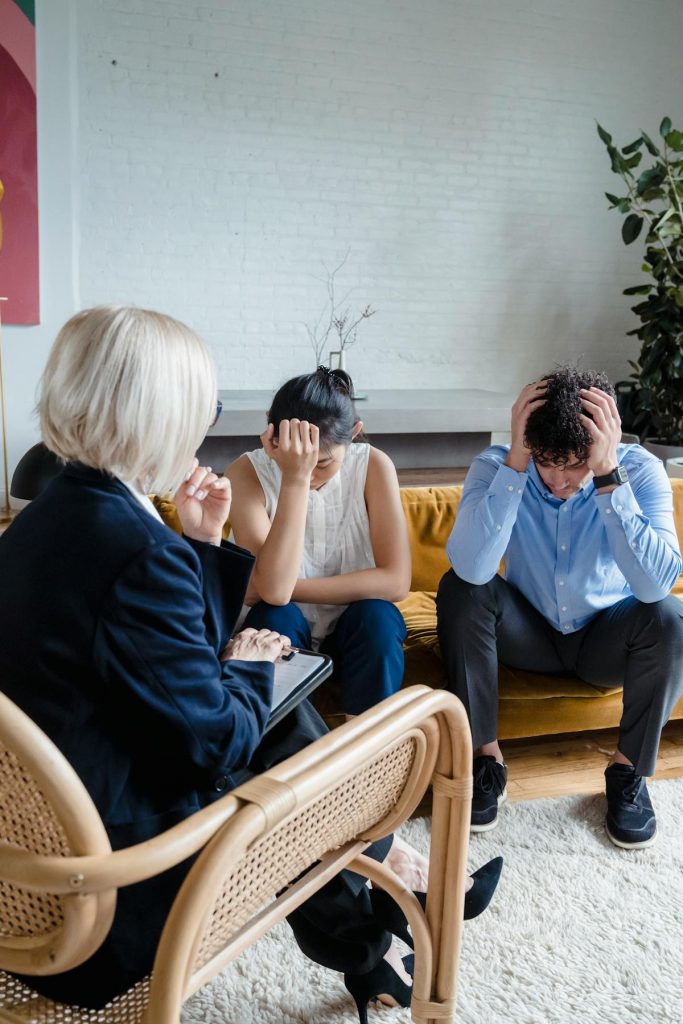
Couples therapy offers a proven path back to understanding, closeness, and genuine partnership. If your relationship feels stuck, you are not alone. In fact, thousands of partners in Austin, Texas, face moments of disconnect every year. Moreover, more couples in the Hill Country area now seek professional guidance than ever before. The reason is simple: asking for help is not a sign of weakness. On the contrary, it is a courageous act of love. At Maison Ataméa, Magalie Singh, a certified practitioner, brings a distinctive French holistic method to Austin. As a result, this approach addresses mind, body, and emotional bonds all at once. Therefore, partners do not merely talk about their problems. Instead, they experience deep, lasting transformation together. A safe space where partners reconnect and rediscover each other Why Couples Therapy Matters More Than You Think Many partners wait too long before reaching out. According to the American Psychological Association (APA), the average couple waits six years after problems begin before seeking couples therapy. Consequently, small misunderstandings grow into deep resentments. Moreover, daily stress, career pressure, and the fast pace of life in Austin can intensify those tensions. Here is what research consistently shows about couples therapy. Partners who engage in structured therapeutic work report significant improvements in communication, trust, and emotional intimacy. Furthermore, these benefits extend far beyond the sessions themselves. As a result, partners learn tools they carry into everyday life. Key Benefits of Couples Therapy Communication repair — Partners learn to express needs without blame. In addition, they replace criticism with curiosity. As a result, conversations become bridges instead of battlefields. Emotional reconnection — Many couples describe feeling like roommates. However, therapy reignites the spark by creating safe moments of vulnerability. Conflict management — Disagreements never disappear entirely. Nevertheless, skilled guidance helps partners navigate conflict without damaging the relationship. Deeper self-awareness — Each partner discovers personal patterns that fuel tension. In turn, this awareness opens the door to genuine change. In other words, couples therapy does not fix a broken relationship. Instead, it empowers two people to rebuild it together, with intention and care. Professional guidance creates a space where both voices matter equally A French Holistic Approach to Relationship Healing What makes the Ataméa method different from traditional talk therapy? First of all, it draws from a rich European tradition that views the couple as a living system. This means no single partner carries the blame. Instead, both individuals explore how their unique histories, bodies, and emotions shape the relationship dynamic. Magalie Singh developed this approach by blending several complementary disciplines. These include somatic awareness, guided visualization, emotional release techniques, and structured dialogue. Therefore, sessions go far beyond simple conversation. As a result, partners engage their whole selves in the process. In addition, the French holistic philosophy values elegance and depth. Above all, it rejects quick fixes. Instead, it prioritizes meaningful transformation that unfolds naturally over time. For this reason, couples in Austin who feel exhausted by surface-level advice find this approach refreshing. How the Method Works in Practice Here is how couples therapy at Maison Ataméa works in practice: Body-mind integration — Tension often lives in the body before it appears in words. For instance, sessions include breathing exercises and somatic check-ins. As a result, partners access emotions they struggle to articulate. Narrative exploration — Each person carries a story about the relationship. Similarly, the practitioner helps both partners hear each other’s narrative without defensiveness. Ritual and intention — Small rituals, such as gratitude exchanges or shared breathing, anchor new habits into daily life. Consequently, progress continues between sessions. This approach resonates particularly well in Austin. Indeed, the city’s vibrant wellness culture embraces holistic health. From yoga studios on South Congress to meditation retreats in the Hill Country, Austinites already understand that true healing involves the whole person. Accordingly, the Ataméa method fits seamlessly into that philosophy. What Happens During Couples Therapy in Austin Walking into a session for the first time can feel daunting. However, many partners wonder what to expect. At Maison Ataméa, the environment itself sets the tone. Think of a refined, peaceful space with soft lighting, natural textures, and a sense of confidentiality from the very first moment. Every journey begins with a discovery session. During this initial meeting, Magalie Singh listens to both partners without judgment. Then, she identifies the core dynamics at play. After that, she designs a personalized roadmap tailored to the couple’s specific needs. The Session Structure Regular sessions follow a structured yet flexible rhythm: Opening check-in — Each partner shares how they feel in that moment. As a result, this grounds the session in the present. Guided exploration — The practitioner introduces an exercise or topic. For example, partners engage in active dialogue, visualization, or body-awareness work. Integration — The session closes with a concrete takeaway. For instance, it might involve a daily practice, a conversation prompt, or a shared ritual. Importantly, the pace respects each couple’s unique rhythm. For instance, some partners need several sessions to build trust. On the other hand, others dive deep right away. Regardless, the practitioner adapts the approach to serve the relationship, not a rigid protocol. Healing continues beyond the session, in every shared step Common Challenges That Bring Partners to Seek Help Every couple faces its own storms. However, certain patterns appear frequently among partners in Austin. Understanding these challenges helps normalize the experience. Above all, you are not alone in what you feel. Communication breakdown stands at the top of the list. When partners stop truly listening, conversations become monologues. As a result, resentment builds silently. Furthermore, digital distractions make this worse. Indeed, phones and screens steal moments that once belonged to the relationship. Trust erosion follows closely. Whether triggered by infidelity, secrecy, or repeated disappointments, broken trust creates a wall between partners. Therefore, rebuilding it requires patience, transparency, and professional support. In fact, trust repair during couples therapy often represents the most rewarding aspect of the journey. Intimacy loss affects more couples than most realize. For example,